


The Fuel Store Card
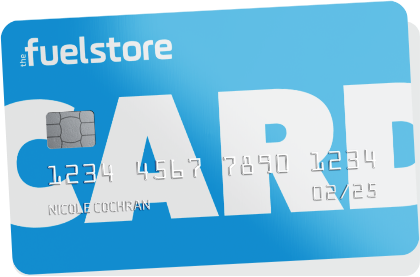
What is a fuel card, how does it work, and which one is right for your fleet? Everything you need to know, in one place.

A fuel card is a dedicated payment card for business fuel purchases. Instead of drivers paying at the pump with cash or a personal card and claiming it back, a fuel card lets your business pay for fuel directly. Every transaction is recorded automatically, categorised by driver and vehicle, and rolled into a single VAT-compliant invoice.
Think of it as a managed account for your fleet’s fuel spend. Drivers use it like any other payment card at the pump. Behind the scenes, you get a full picture of who spent what, where, and when, without chasing a single receipt.
For any UK business with drivers on the road, whether that is one van or a hundred lorries, a fuel card removes the admin burden from fuel management and gives you real control over one of your biggest operating costs.
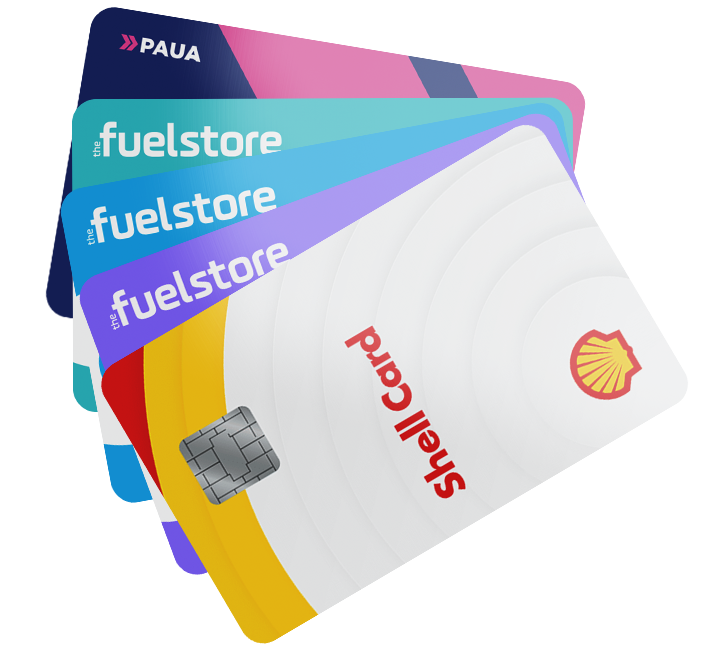
Your business applies for a fuel card. Depending on the card, this may involve a credit assessment. Some cards, like the Prepaid Fuel Card, require no credit check at all.
Cards are issued to drivers or vehicles. Each card can be tied to a specific driver, a specific vehicle registration, or both. You decide how they are assigned and what controls apply to each one.
Drivers fill up at accepted sites. How the card works at the pump varies slightly depending on the card and the site. At most locations drivers insert the card, enter a PIN, and fuel up as normal. Some manned sites require the card to be handed to the cashier before fuelling, and some cards prompt for a vehicle registration or mileage reading for validation. For card-specific instructions, see the using your card guide.
Every transaction is recorded automatically. Date, time, location, litres, fuel type, and spend are all captured at the point of purchase. No receipt chasing. No manual logging.
You receive a single consolidated invoice. Rather than a folder full of paper receipts, you get one VAT-compliant invoice covering all transactions across your fleet for the period.
You manage everything from one place. Through The Fuel Store customer portal, you can view transactions in real time, download invoices, update driver details, add or suspend cards, and set spending controls whenever you need to.

Predictable fuel costs with fixed weekly pricing, no pump price surprises mid-week
One VAT-compliant invoice per period, ready for HMRC reclaim
Full transaction visibility by driver, vehicle, site, and fuel type
No more cash advances, personal card expenses, or manual receipt logging
Access to thousands of fuel sites across the UK
Dedicated support from a team that knows the fuel card industry inside out
This is one of the most important things to understand when choosing a fuel card, and it is where a lot of businesses end up making the wrong call without realising it.
Pump price cards charge whatever the forecourt is showing on the day. If wholesale prices spike mid-week, you pay mid-week prices. Some cards offer a small discount off pump, but you are still exposed to daily market movements.
Fixed weekly price cards set a single price every Monday. That price applies to every transaction across the week, regardless of what the pump says on any given day. Your drivers can fill up on a Tuesday morning or a Sunday evening and pay exactly the same rate.
Most fuel cards available through The Fuel Store operate on a fixed weekly pricing model. That means your fuel budget is predictable, your forecasting is cleaner, and your finance team is not managing a moving target.
When wholesale prices are volatile, as they have been repeatedly in recent years, fixed pricing is not just convenient. It is a genuine commercial advantage.

Sole traders and small businesses. Even one driver on the road benefits from a fuel card. The VAT reclaim alone often covers the cost, and the visibility over spending is something no cash or personal card arrangement can match. If you have no credit history or want to avoid a credit check entirely, the Prepaid Fuel Card is built for exactly this situation.
Tradespeople and service businesses. Builders, plumbers, electricians, engineers. If you are on the road every day visiting jobs, a fuel card keeps your fuel costs separate, controlled, and ready for HMRC at the end of the year. See our dedicated page for fuel cards for tradespeople.
SMEs with growing fleets. As your business scales, managing fuel manually becomes a real problem. A fuel card keeps everything in one place as you add vehicles and drivers, without the admin overhead growing with it.
Large fleet and corporate operators. For businesses managing dozens or hundreds of vehicles, fuel cards are standard practice. The reporting, controls, and integration with tools like Fuel Insights and telematics make them essential for keeping costs under control at scale. See our corporate fuel cards page for more.
Haulage and logistics operators. High mileage, commercial vehicles, and tight margins make fuel cost management critical. The right card for HGV and commercial fleets needs to cover the right sites. See the Shell CRT Card for commercial vehicle-specific coverage.
Not sure where your business fits? Speak to our team and we will work it out with you.
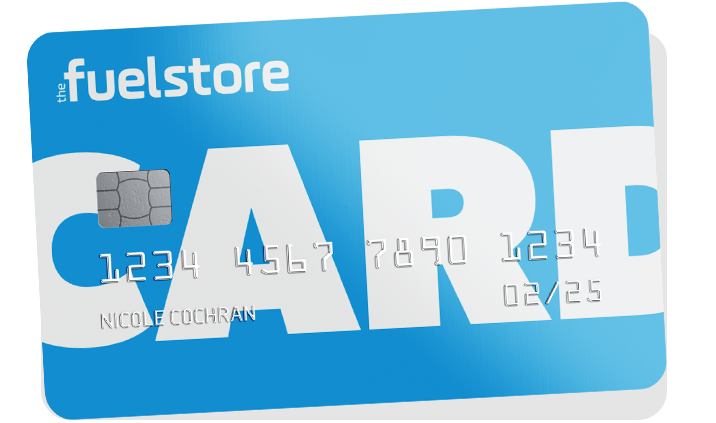
Fixed weekly price cards set a single fuel price every Monday that applies to all transactions for the rest of the week, up to midnight Sunday. You know exactly what you are paying before a single litre goes in the tank.
These are the most popular choice for businesses that want cost predictability and protection from pump price volatility. Most cards in The Fuel Store portfolio operate this way, including the Shell Fleet Card, the UK Fuels Card, The Fuel Store Card, and the Esso Card.
Best for: businesses of any size that want predictable fuel costs and straightforward budgeting.
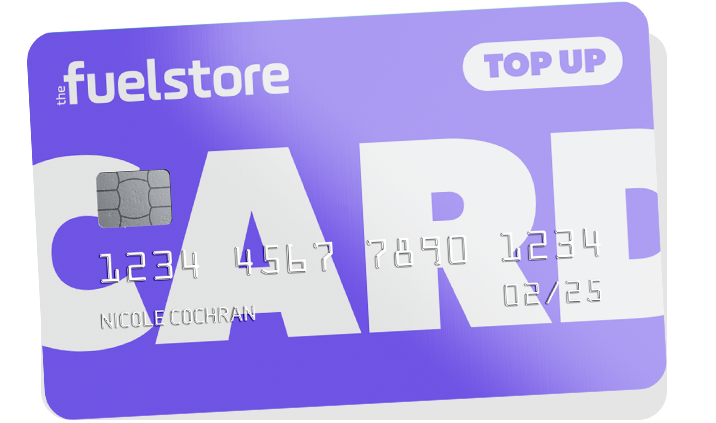
A prepaid fuel card works like a top-up card. You load credit onto it before drivers use it, and spending is limited to whatever balance is available. There is no credit account, no credit check, and no risk of overspend beyond what you have loaded.
The Prepaid Fuel Card from The Fuel Store is the go-to option for sole traders, new businesses without an established credit history, or any situation where you want complete pre-approved control over available spend.
Best for: sole traders, start-ups, businesses with no credit history, or anyone wanting tight spending limits with no credit exposure.
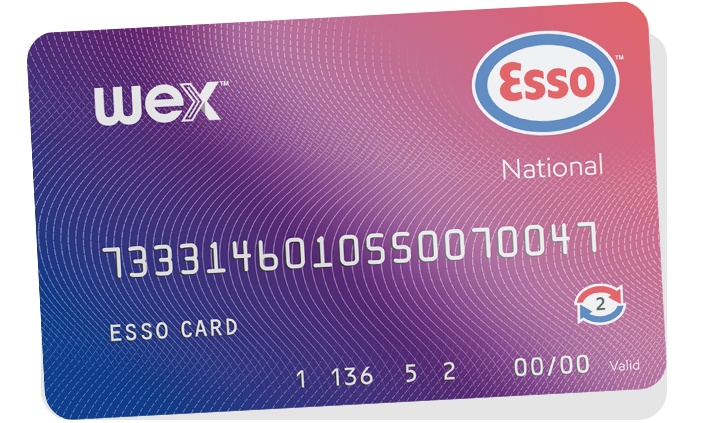
Some fuel cards work across a wide network of different brands and site operators. Others are tied to a specific brand like Shell or Esso, giving access to that brand’s sites only.
Wide-network cards like the The Fuel Store Card and the UK Fuels Card give broad coverage across multiple brands and thousands of sites. Brand-specific cards like the Shell Fleet Card or the Esso Card tie you to one network but often come with tighter pricing controls and brand-specific benefits.
The right choice depends on your routes and priorities. If your drivers cover varied ground, a wide-network card usually wins. If your routes consistently pass the same brand of forecourt, a brand card keeps things clean and simple.
Read our full Shell fuel card guide | Read our full Esso Card guide
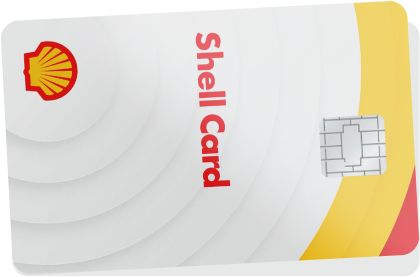
Standard fuel cards work well for cars, vans, and light commercial vehicles. HGVs and coaches have different requirements, specifically access to high-canopy sites with fast-fill pumps designed for larger vehicles.
The Shell CRT Card is built for this. It gives access to Shell CRT sites across the UK, set up specifically for HGVs, LCVs, and coaches.
Best for: haulage operators, logistics fleets, and businesses running HGVs or coaches on UK roads.
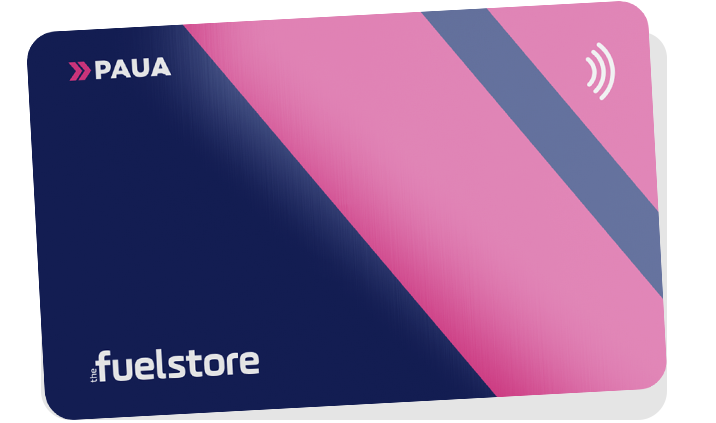
As fleets begin to electrify, the same principles that make a fuel card useful apply equally to public charging. The Paua EV Charge Card gives drivers access to one of the largest public charging networks in the UK, with all charging tracked and invoiced the same way as a traditional fuel card.
If you are running a mixed fleet of petrol, diesel, and electric vehicles, you can manage both fuel and charging through The Fuel Store.
Best for: businesses with electric vehicles in their fleet, or those planning to transition.
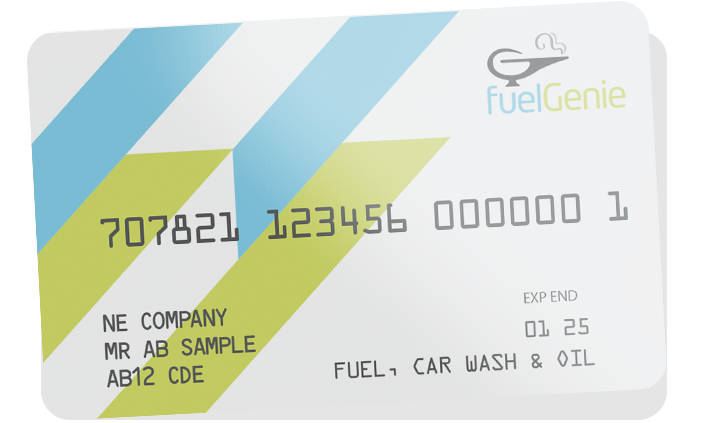
The fuelGenie card gives access to fuel at Tesco, Sainsbury’s, and Morrisons’ forecourts across the UK, making it ideal for businesses whose drivers are already stopping at supermarkets or who want access to consistently competitive supermarket fuel prices.
Best for: businesses whose routes take them past supermarket forecourts regularly, or those looking for a straightforward, low-cost entry point into fuel card management.
There is no single best fuel card. The right one depends on your fleet, your routes, and what matters most to your business. Here is a straightforward way to think about it.
Start with your network. Where do your drivers actually fill up? If they are mostly on motorways and A-roads, a wide-network card gives maximum flexibility. If they consistently pass the same brand of forecourt, a brand-specific card may be simpler and more cost-effective.
Think about vehicle type. Cars and vans can use most cards. HGVs and coaches need access to commercial vehicle sites. The Shell CRT Card is the right starting point for heavier fleets.
Consider your credit position. Most fuel cards involve a credit account and a credit assessment. If you are a new business, a sole trader, or want to avoid credit entirely, the Prepaid Fuel Card skips the credit check and works on a top-up basis instead.
Factor in fleet size. A sole trader with one van has very different needs from a logistics company with fifty vehicles. Card controls, reporting depth, and account management features matter more as the fleet grows.
Think about what else you need. A fuel card is the foundation, but you might also want fraud protection, telematics integration, or detailed fleet reporting. FraudGuard, Fuel Insights, and telematics all work alongside your card and can make a significant difference to how you manage your fleet overall.
Not sure where to start? Compare our full card range or speak to our team for a straight recommendation with no jargon.
For most VAT-registered businesses, fuel cards pay for themselves through VAT reclaim alone. It is one of the most straightforward wins available, and most businesses using cash or personal cards are leaving money on the table.
Every time a driver uses a fuel card, the transaction generates a VAT-compliant record at the point of purchase. Those records feed into your consolidated invoice, which serves as your VAT evidence for HMRC. No chasing paper receipts from drivers. No manually logging purchases. Your invoice is your audit trail.
The standard rate of VAT on road fuel in the UK is 20%. For a business spending £2,000 a month on fuel, that is £400 in reclaimable VAT, assuming the fuel is used wholly for business purposes.
There are HMRC rules around what you can and cannot reclaim, particularly where vehicles are used for both business and private mileage. For a full breakdown of how it works, see our fuel cards VAT and HMRC guide.
If your drivers are reimbursed for business mileage in their own vehicles, the HMRC Advisory Fuel Rates are the approved figures for calculating those payments. See our advisory fuel rates guide for the current HMRC tables.

One of the biggest practical advantages of a fuel card over cash or a company credit card is the level of control you have over how it is used.
For businesses where fuel fraud or misuse is a concern, FraudGuard adds automated monitoring on top of your standard controls, identifying suspicious patterns in real time before small problems become expensive ones.
Through your account you can:
Set per-transaction spending limits for individual cards
Restrict cards to specific fuel types, such as diesel only
Require a driver PIN at the pump for every transaction
Tie cards to specific vehicle registrations
Receive alerts when unusual transactions are flagged
Suspend or cancel individual cards instantly if a card is lost or a driver leaves the business
It is worth being clear about why a dedicated fuel card beats the alternatives for most businesses.
Cash gives you no transaction visibility, no spending controls, no automatic VAT evidence, and no way to identify misuse until you are reconciling expenses weeks later. For any business with more than one driver, it is the least efficient option available.
Company credit cards are better than cash, but they are not built for fuel. Transactions are mixed in with other business spending, VAT evidence requires manual receipt collection, and there are none of the fuel-specific controls that fleet management actually needs, like mileage prompts, fuel type restrictions, or vehicle-level reporting.
A fuel card is purpose-built. Every transaction is a fuel transaction. Every invoice is VAT-compliant. Every control is designed around how fleets actually operate. The admin burden drops from the first week, and the visibility you gain over one of your biggest costs is immediate.
For businesses still using cash or personal cards for fuel, switching to a fuel card is consistently one of the quickest wins available in terms of time saved, costs recovered, and admin eliminated.
Getting set up is straightforward. Here is how it works.
Choose your card. Use this guide, compare our full range, or speak to our team to identify the right card for your fleet and routes.
Apply online or get in touch. You can apply directly through the relevant card page on this website, or call our team on 0121 272 7780 and we will walk you through the options.
Complete the credit assessment if required. Most cards involve a straightforward business credit check. The Prepaid Fuel Card skips this step entirely if credit is a concern.
Receive your cards. Cards are typically issued within a few working days of approval. We will confirm the timeline when you apply.
Set up your account. Log in to The Fuel Store customer portal to assign cards to drivers and vehicles, set spending controls, and get your account configured before your first fill-up.
Start saving. From the first transaction, your fuel spend is tracked, controlled, and VAT-ready. No more chasing receipts or reconciling expenses manually.
All of our fuel card options come with free access to our customer portal, giving you complete control, HMRC compliant invoicing, and a suite of management tools.
100% UK postcode coverage.
Our best selling fuel card. Huge network. Reduced costs.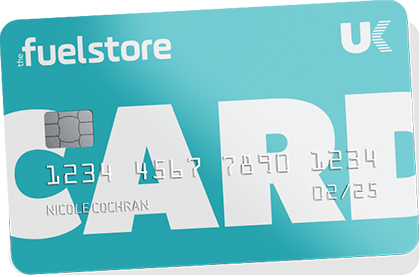
Access 86% of UK Fuel Stations
Huge network. 1,010+ HGV sites. 192+ motorway sites.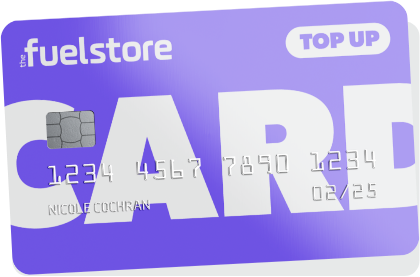
Prepaid card. No credit check
Low credit rating? Pre-pay and get the same great perks.For HGVs, LCVs and coaches
Fantastic motorway coverage. Average 12-minute fill-up.Fixed weekly prices for mixed fleets
3,800+ UK sites. Shell Go+ rewards. Savings on fleet costs.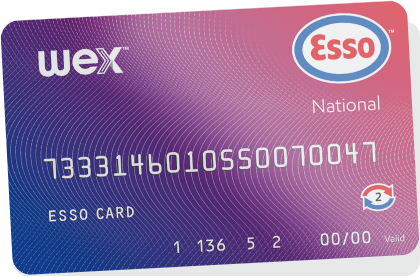
3,500+ Esso, Shell and BP sites.
Premium fuels from big brands. For better MPG.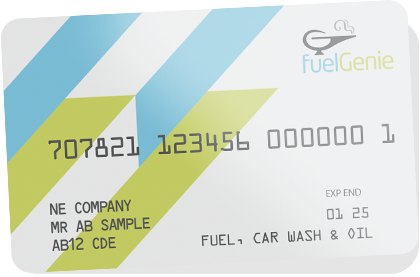
The Supermarket Fuel Card
Clock up loyalty points at Tesco, Morrisons or Sainsburys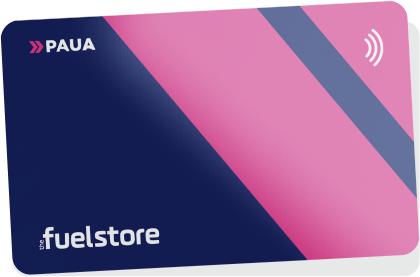
Market-leading EV charge card
100% renewable energy, for electric and mixed fleetsA fuel card is a dedicated payment card for business fuel purchases. It replaces cash and personal card expenses with a single managed account that tracks all transactions, generates VAT-compliant invoices, and gives fleet managers full visibility over fuel spend across every driver and vehicle.
In two main ways. First, fixed weekly pricing means you pay a set rate regardless of daily pump price movements, which protects your budget from volatility. Second, VAT reclaim. Every fuel card transaction generates a VAT-compliant record automatically, making it straightforward to reclaim the 20% VAT on business fuel through HMRC without chasing a single receipt.
Most fuel cards involve a business credit assessment as part of the application. If you want to avoid a credit check, the Prepaid Fuel Card requires no credit check and works on a top-up basis instead.
It depends on the card. The Fuel Store Card covers 100% of UK postcode areas. The UK Fuels Card gives access to 86% of UK fuel stations. The Shell Fleet Card covers 3,550+ sites across Shell, Esso, Texaco, and Gulf. The Esso Card covers 3,600+ sites including 1,400+ Esso sites plus partner access to BP and Shell. The fuelGenie card covers Tesco, Sainsbury’s, and Morrisons’ forecourts. See individual card pages for full network details.
For detailed breakdowns: Shell fuel card guide | Esso Card guide
Yes. AdBlue is available at participating sites on several cards in The Fuel Store portfolio, including Shell cards. Check individual card pages for details on where AdBlue is available on your specific card.
Yes. You can issue cards to individual drivers, individual vehicles, or both. All transactions roll into a single account and invoice.
You can suspend or cancel individual cards instantly through the The Fuel Store customer portal or by calling our team on 0121 272 7780. Cards are not linked to a bank account, so there is no risk to business funds while you sort it.
Through The Fuel Store customer portal, available 24 hours a day. You can view transactions in real time, download invoices, update driver details, add or suspend cards, and adjust spending controls. Our team is also available Monday to Friday, 9am to 5pm if you need support, including your own dedicated account manager.
Yes. The Paua EV Charge Card gives access to one of the UK’s largest public charging networks and works on the same principles as a standard fuel card, with all charging tracked and invoiced through your account.
Most cards are issued within a few working days of a successful application. The Prepaid Fuel Card can often be turned around faster since there is no credit assessment involved. Get in touch and we will give you a realistic timeline for your situation.
The Shell Fleet Card is designed for mixed fleets running cars, vans, and light commercial vehicles. The Shell CRT Card is built for HGVs, LCVs, and coaches, giving access to Shell CRT sites designed specifically for commercial vehicle sizing. For a full breakdown, see our Shell fuel card guide.
It is the pricing model used by most fuel cards in The Fuel Store portfolio. Rather than paying whatever the pump says on a given day, the card price is set every Monday and stays fixed for the entire week. Your drivers can fill up any day of the week at the same rate, giving you predictable fuel costs regardless of what happens to wholesale prices mid-week.
Tell us about your fleet and we will recommend the right card for your routes, your vehicles, and your budget. No jargon. No pressure. Just straight advice from a team that knows fuel.

 Fuel
Fuel EV
EV